About United States Helice Association
The United States Helice Association (USHA) is dedicated to promoting the sport of Helice shooting across the country.
We ensure fair competition, standardized rules, and support for athletes at every level.
Helice Overview
Helice Shooting (also known as ZZ or Electrocibles) is one of the most demanding and exhilarating shotgun disciplines, designed as a humane alternative to live pigeon shooting. Originating in Europe during the 1960s, it has gained growing popularity in the United States under the governance of the United States Helice Association (USHA), in affiliation with the international FITASC organization.
Equipment and Target Specifications
Shotguns: 12-gauge is the largest permitted caliber; smaller gauges are allowed but receive no advantage.
Ammunition: Maximum load is 28 grams (1 ounce) of shot, typically size 7½ or smaller (per international standards, with lead diameter not exceeding 2.7 mm).
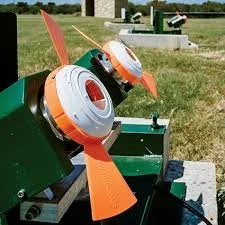
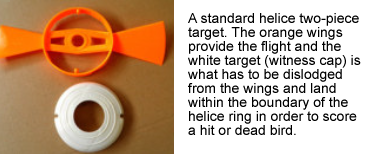
Targets (ZZ Birds): These consist of a central plastic "witness cap" (resembling a clay target) attached to two winged plastic propellers (often orange). The propellers simulate the erratic, unpredictable flight of a live bird.
Competition Format
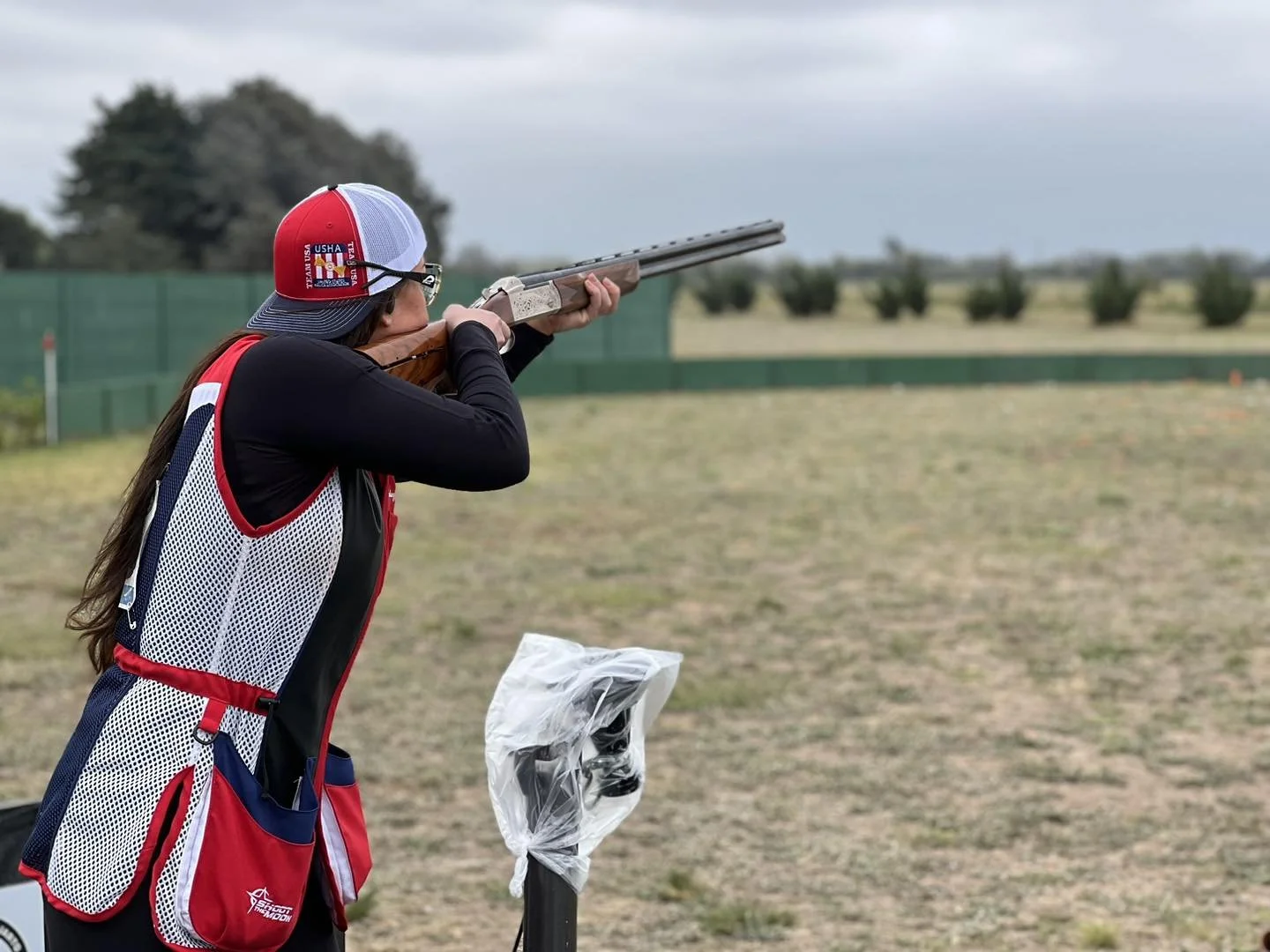
Shooters stand within a designated area on the shooting stand (typically at distances of 24–30 meters from the launchers), with the shotgun held in a safe position as determined by the referee—from "gun down" (low ready) to fully mounted.
Once the shooter is positioned and loads the shotgun, the ring operator activates the launchers. Five (or more) machines, spaced in a semi-circle, spin the ZZ birds at high speed (up to 10,000 RPM) via oscillating electric motors.
The shooter signals readiness ("Ready"), receives confirmation from the operator, and calls "Pull" to launch a single target randomly from one of the machines. The shooter has two shots to attempt to hit the target.
Scoring
A hit is scored only if the witness cap is completely dislodged from the propellers and lands inside the fenced "ring" (a perimeter enclosure, typically 2 feet high and approximately 21 meters from the launch point). Chips, partial breaks, or witness caps landing outside the ring do not count. The short flight time and highly unpredictable trajectory demand exceptional speed, precision, and instinctive shooting.
This format—typically involving series of 5 targets per "crank" and 30 targets in sanctioned events—makes Helice one of the most challenging shotgun sports, rewarding technical skill, focus, and adaptability.
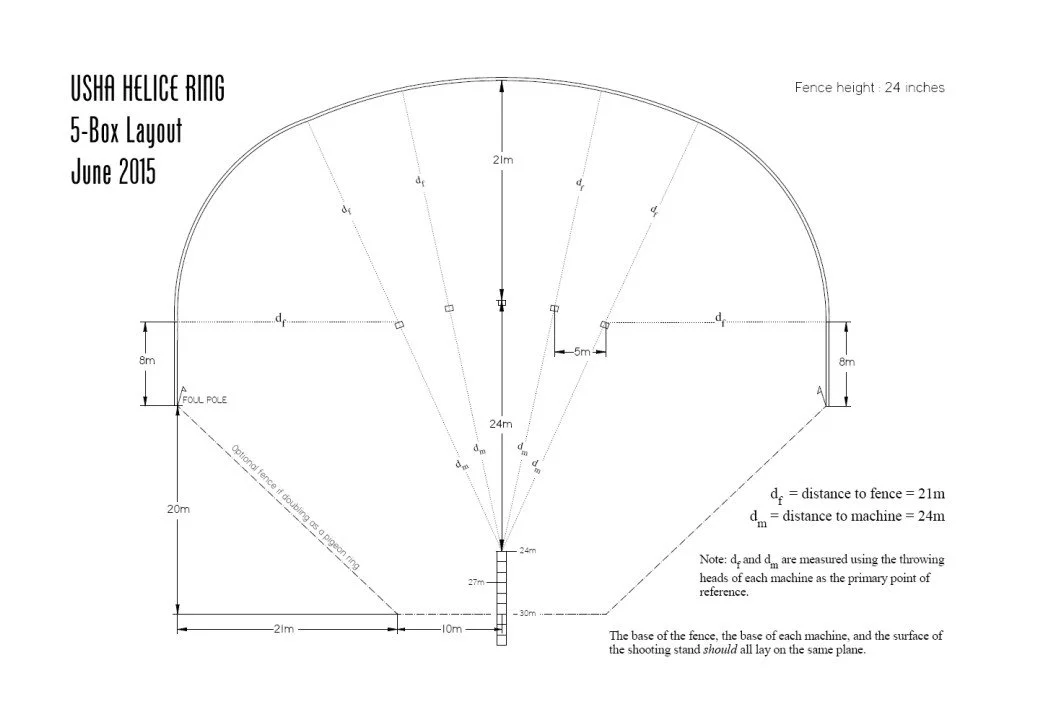
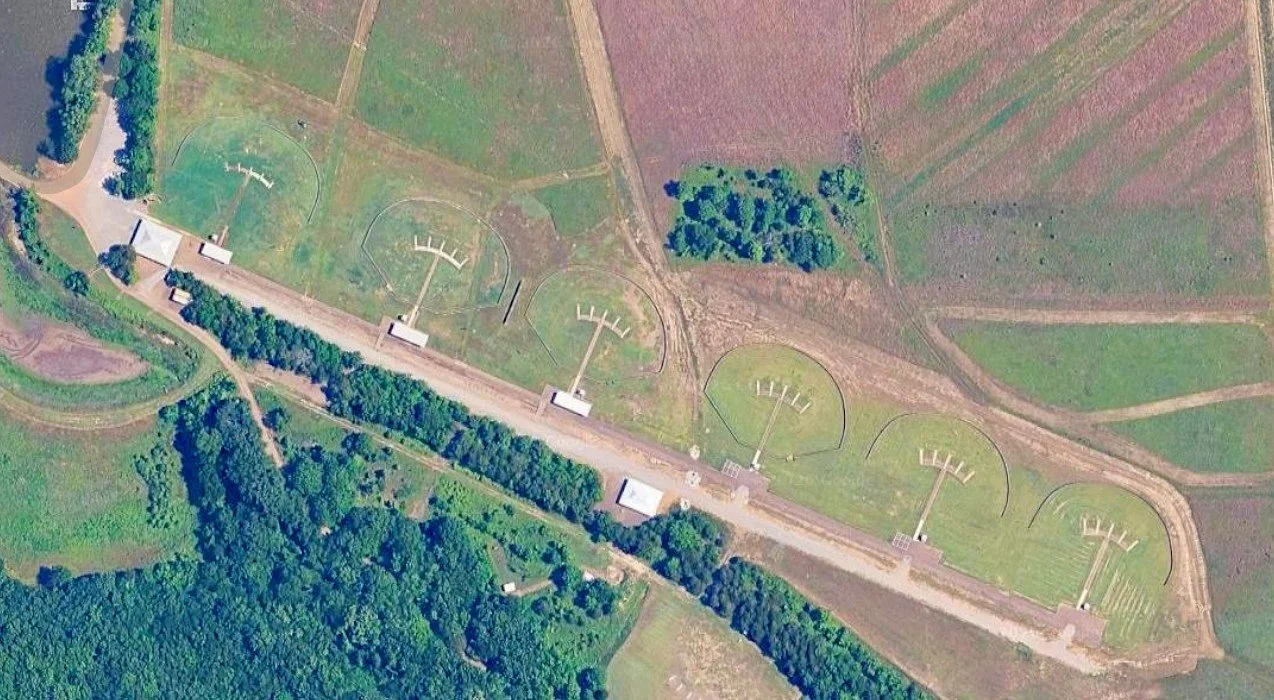
Arial photo from Wild Prairie’s rings in West Point, Mississippi.
The helice ring, illustrated at above, is where the actual shooting takes place. The ring shown is a typical 5-box (five machine) layout, which is the standard, most commonly-used layout for USHA competitions.
View or Print a Full-Page 5-Box Helice Ring Setup.
Rings should be located on a level shooting field. Preferably, the general direction of the shooting should be North or North East with the axis going through the Shooting Stand and the Middle machine. Helice rings typically include either five or seven box launchers, which are arranged in a semi-circle in front of the shooter's position. For five-machine layouts, the machines are positioned between 4.50 meters and 5 meters apart.
Twenty-one meters beyond the launchers is a rigid, semi-circular fence, twenty-four inches high. This fence marks the outside border of the shooting area (into which all scoring targets must fall). The mesh size of the fence must not allow the White Centre Cap of the Helice to pass through. The distance from the Helice Machines to the Barrier should be a maximum of 21 meters.
A recent article in Garden and Gun magazine describes Helice, and includes an interview with USHA President Michael Higgins, as well as a short video illustrating the fast action typical of helice competitions.